
Konfiti Roselle: Finding My Voice though food.

Updated: Jun 28
The Story Behind Konfiti Roselle
Six weeks into my course, I'm behind on every assignment. I sit in front of my computer questioning my entire life. Sometimes you ask yourself, What the hell did I get myself into?
I went back to school to complete my Food and Media certification, and one of our first assignments was to find our voice.
That sounded simple, until I realized I had spent years putting everyone else's voice before my own. Finding my voice has become one of the biggest lessons of this journey.

Professionally, people describe me as confident, vocal, and direct. Others will tell you they don't know me at all. And then there are those who have called me a dictator.
At first, the word bothered me. Then I looked up its definition.
A dictator is someone who exercises absolute power through force, intimidation, fear, and the suppression of others.
That isn't me.
What people often mistake for control is simply boundaries. What they perceive as strictness is discipline. Words can become weapons when they are stripped of context. Character is not something everyone is entitled to understand, and not everyone will experience the same version of you.
Where culture meets flavor
In Haiti, Hibiscus sabdariffa known locally as “oseille” or roselle is more than a national symbol. It is our national flower. Known around the world as sorrel, bissap, karkadé, agua de Jamaica, zobo, sour tea, or red tea, roselle has a long history across cultures. It is celebrated not only for its vibrant colour and tart flavour but also for its traditional medicinal properties, including anti-inflammatory, antimicrobial, and antihypertensive benefits.
The flowers, leaves, and seeds are all edible. Once the flowers bloom and fade, the bright red calyces become thick, juicy, and full of flavour. They are transformed into teas, syrups, sauces, jellies, and preserves.
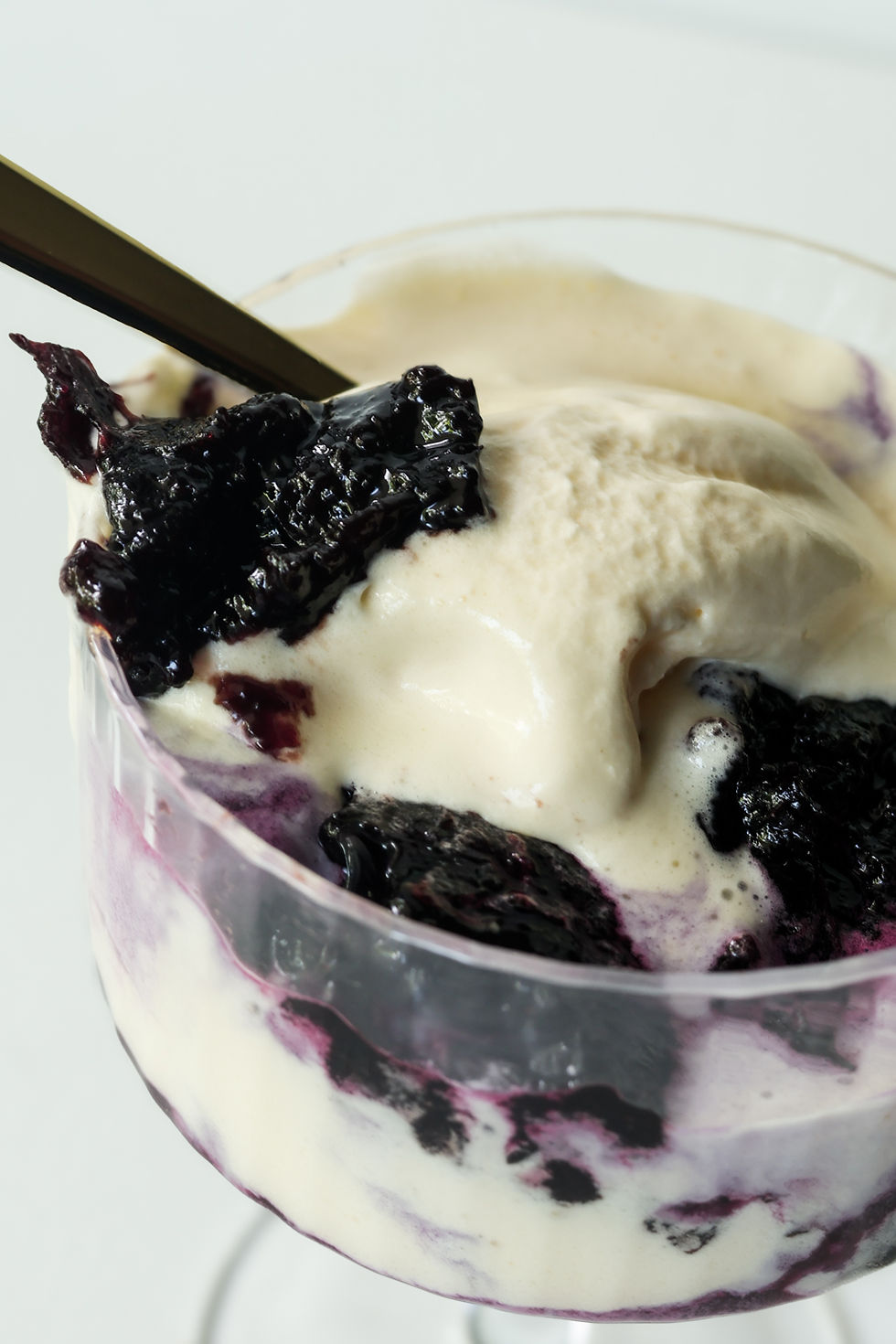
For this recipe, I chose to make jam. Sweet with just enough tartness, it can be spread over warm toast, layered into pastries, served alongside cheese, or spooned over vanilla ice cream. It reminds me that transformation takes time. What begins as something bold and sharp can become balanced, rich, and comforting.
Maybe that's what this season of my life is teaching me.
Every day we learn. We grow. We accept. We forgive. We continue moving toward our dreams, even when the path feels overwhelming.
We cannot please everyone.
And perhaps the most important lesson of all is this: other people's perception of you is often a reflection of their own experiences not your worth.
Like roselle, I am learning to embrace my true flavour instead of apologizing for it.
Konfiti Roselle
Ingredients:
8 cups dried roselle (hibiscus calyces), rinsed
6 cups water
4 cups granulated sugar
¼ cup fresh lemon juice
1 tbsp lemon zest (optional)
1 tsp vanilla extract (optional)
Pinch of sea salt
Instructions:
Prepare the roselle
Rinse the dried roselle thoroughly under cold water to remove any dust or impurities.
Cook the roselle
In a large saucepan, combine the roselle and water. Bring to a boil, then reduce the heat and simmer for 30–40 minutes, or until the calyces are soft and tender.
Blend
Drain, reserving about 1 cup of the cooking liquid. Blend the softened roselle until smooth or leave it slightly chunky, depending on your preferred texture.
Make the jam
Return the purée to the saucepan. Add the sugar, lemon juice, lemon zest (if using), vanilla, salt, and enough reserved cooking liquid to achieve a spreadable consistency.
Cook
Simmer over medium-low heat for 20–30 minutes, stirring frequently to prevent sticking. The jam is ready when it reaches 104–105°C (219–221°F) or passes the cold plate test:
Place a small spoonful on a chilled plate.
Let it sit for 30 seconds.
Push it with your finger. If it wrinkles, it is ready.
Jar the jam
Ladle the hot jam into sterilized jars, leaving ¼ inch (6 mm) headspace. Wipe the rims clean and seal with sterilized lids.a
Storage
Refrigerate for up to 1 month.
If processed in a boiling water bath for 10 minutes, the jam can be stored in a cool, dark place for up to 12 months(adjust processing time if required for your altitude).
Serving suggestions
Spread on toast, croissants, or brioche
Pair with aged cheddar, brie, or goat cheese
Swirl into yogurt or oatmeal
Spoon over vanilla ice cream
Fill cakes, pastries, or thumbprint cookies
Serve with scones and clotted cream
FInal Thoughts
Chef's Note: Roselle has a naturally bright, tart flavor similar to cranberry and raspberry. The lemon juice not only enhances the flavor but also helps the jam set naturally, reducing the need for commercial pectin.
Comments